


Galway Student Guide Arrival checklist

Galway, Ireland · Your student guide

From wherever you call home,
welcome to Galway.

Your practical guide to studying, settling in and enjoying life in a new city.

Independent advice · Plain English · Built from experience

Traditional Galway Hooker boats at dusk

Student essentials

Check what you already have before buying. Start with the practical advice, then browse the short book shelf.

Start here

What do you need help with?

Scroll through the whole guide below. Every topic has a quick introduction; expand the advice you need, or jump straight to a section.

Photo: Dublin Airport Terminal 2 (2024), 瑞丽江的河水 · CC BY-SA 4.0. Display crop.

Keep scrolling — the full guide starts below ↓

Topic introductions stay visible as you scroll.

Read this before you pay anyone

Housing is difficult. Scams are common.

Never send a deposit for a room you cannot verify. View it in person or by live video, confirm who owns or manages it, get the terms in writing, and keep every receipt.

See the housing safety guide →Need help now? Contacts and next steps →

01 · The guide

Before you arrive

Find a room, avoid scams, prepare your documents and plan your arrival.

Jump to another section ↑

ATU Galway accommodation: start with your campus

ATU Galway students need their own housing search. Choose Dublin Road, Wellpark Road or your actual campus before judging whether a room is convenient.

Read the practical stepsClose the practical steps
  • Use ATU Studentpad: choose the relevant campus, check the rental arrangement and compare the actual commute. A listing is not a guarantee that the property or landlord has been inspected.
  • Ask the ATU support team: the Student Hub and ATU Global Galway’s resource page point to accommodation guidance. Some internal information requires your ATU login.
  • Glasán Student Village: a privately managed student residence affiliated with ATU Galway, across the road from the Dublin Road campus. Contact the operator for current eligibility, application dates, prices and availability.
  • Compare private rooms too: Daft.ie, local room-share groups and digs can offer alternatives. Check seven-day access, bills, deposit terms and whether the room suits your study timetable.

Do not confuse University of Galway campus residences with ATU accommodation. Check the institution and campus on every application.

Checked 13 October 2026. Offers, availability and programmes change; confirm with the provider.

Next sectionSummer and short-stay accommodation →

Summer, semester-only and arrival accommodation

An academic-year room does not necessarily cover the summer or an early arrival. Confirm the exact check-in and check-out dates before booking travel.

Read the practical stepsClose the practical steps

Staying over summer

Ask your residence whether extensions are available, what they cost and whether you must move rooms. University of Galway’s campus operator also advertises summer stays; visitor bookings and student extensions are different arrangements.

One semester only

Tell the accommodation office your exact course dates. Ask about semester contracts rather than signing for a full academic year and hoping to leave early.

Arriving before term

A hostel, guesthouse or verified short stay can give you time for viewings. Keep a realistic backup budget; do not expect to find a long-term room in your first few days.

Private summer options

Some student residences, including Queen Street Place, offer summer visitor accommodation. Confirm minimum stays, kitchen access, linen, laundry, bills and cancellation terms directly.

University of Galway was formerly NUI Galway/NUIG, so older adverts may use those names. Check the year on application pages. Festivals and major events can affect short-stay availability: book against your actual dates rather than relying on last summer’s prices.

Checked 13 October 2026. Offers, availability and programmes change; confirm with the provider.

Next sectionIRP and address documents →
▣

IRP registration and proof of address

If you are from outside the EU, EEA, UK or Switzerland and will stay for more than 90 days, you will normally need to register your immigration permission. Do this early, but only after you arrive in Ireland.

Read the full adviceClose the full advice

First registration

Create an Immigration Service Delivery customer-service account and book the official appointment. First-time registrations are currently handled at Burgh Quay in Dublin, so budget for the journey. Do not pay third-party “appointment agents”—they are not the official booking service.

Build an address file

Keep your written tenancy or licence agreement, exact postal address and Eircode, landlord or agent details, and official letters showing the same spelling of your name and address. Check the official document list for your permission before travelling.

Bring the originals

Your passport, enrolment evidence, fee-payment evidence, insurance and other requirements vary by permission. Use the stamp-specific ISD checklist; screenshots or somebody else’s old list are not enough.

Use a reliable mailbox

An appointment can include document checks, a photograph and fingerprints, and a registration fee of up to €300 may apply. The IRP card is posted to the address you give, so make sure you can safely receive mail there.

Checked 2 October 2026. Immigration procedures can change; the official ISD pages override this summary.

From runway to your front door

Land, connect, continue to Galway.

Your flight landing is not the end of the journey. Have the next few steps saved before you take off.

01

Before you fly

Save your Galway address and Eircode, book your onward coach, screenshot the ticket, and tell your accommodation if you may arrive late. Check your airline’s arrival terminal—not just the airport.

02

After landing

Follow signs through border control, then collect your bags and pass through customs. Allow time for all three before choosing a coach departure.

03

Choose the whole journey

From Dublin Airport, a direct coach is usually the simplest option with luggage. Shannon is closer to Galway, but compare the connection with your actual flight time. A train journey requires a transfer from the airport to a station.

04

Keep a backup plan

Know the last workable connection. Use an official taxi rank or a licensed taxi app if plans change, keep the receipt, and avoid an airport-to-Galway taxi unless you have checked the cost first.

Your practical setup plan

Small jobs. Much easier life.

Work through one list at a time. Your progress stays saved on this device, so you can close the page and come back later.

Overall progress0 of 38 done

Start with Arriving in Galway.

Before take-off through day two

Arriving in Galway

02 · The guide

Living in Galway

Budgeting, buses, shopping, healthcare, bills and student work.

Jump to another section ↑

A slightly less frightening spreadsheet

Build your Galway student budget.

Enter what you actually expect to pay. Weekly costs are converted into a true monthly average, so four-week months do not make the numbers look artificially cheap.

The sample is only a starting point—not a promise of current prices. Rent varies enormously, and winter energy bills can be much higher. If bills are included in your rent, enter €0 for utilities. To compare Galway with home, try Numbeo’s Galway data, but treat crowdsourced figures as a rough guide and replace them with your real quotes.

€

Money & everyday costs

Cards are widely used, but keep a backup. Understand deposits, utility bills, tipping and why a “cheap” room far away may cost more in transport.

Read the full adviceClose the full advice
Cards, cash and avoiding bad exchange rates

At a card machine or ATM: if it offers to charge you in your home currency, decline the conversion and choose euros. This avoids “dynamic currency conversion,” which often uses a poor exchange rate. Your card provider will then make the conversion; check whether it charges a foreign-transaction fee.

You probably do not need airport currency exchange. Cards are widely accepted in Ireland. If you want some backup cash, use an ATM attached to a recognised bank such as Bank of Ireland, AIB or PTSB. Independent machines in tourist areas, pubs, casinos, convenience shops and petrol stations may add an operator fee. Read the screen, cancel if the fee is unreasonable, cover your PIN and take your card before walking away.

Next sectionOpening a bank account →

Opening a bank account when you have just arrived

The awkward part is often proving your address before you have a utility bill. Ask what the provider accepts before making an appointment.

Read the practical stepsClose the practical steps
  1. Prepare valid photo ID and address evidence. Providers set their own document rules. Ask whether they accept your rental agreement, a college accommodation letter or existing bank correspondence; do not assume a student card is enough.
  2. If your Irish address is not established yet, ask about non-resident onboarding. Some providers offer it. Explain your situation and request the exact list of acceptable documents rather than submitting the same rejected document again.
  3. Compare the account you will actually use. Check monthly fees, ATM and foreign-exchange charges, cash-deposit access, eligibility for student accounts and what happens when student pricing ends. App-based services also have identification checks.
  4. Keep a working backup for the first weeks. Check your existing card’s euro fees, keep enough accessible money for essentials and avoid depending on a new account being approved immediately.

Use your real address and your own account. Ask the college’s international office for help obtaining address evidence. If refused, ask for the reason and the provider’s complaints process.

Official links checked 13 October 2026. Confirm current requirements, availability and eligibility with the provider.

Next sectionPPS Number and first-job tax →

PPS Number, Revenue and your first payslip

A PPS Number identifies you for Irish public services and tax. It does not grant permission to work—check your immigration permission separately.

Read the practical stepsClose the practical steps
  1. Gather the three essentials: proof of identity, proof of address and evidence of why you need a PPS Number, such as an employment-related need. Follow the official application guidance for your circumstances.
  2. Apply through MyWelfare. Use the route linked from the government’s PPS page. If staying with friends or relatives, the guidance allows a household bill plus a note from the bill holder confirming you live there. Check the document-date requirements.
  3. Register for Revenue myAccount once you have your PPS Number. Keep access to the email, phone and postal address used for registration.
  4. Register your first Irish job. In PAYE Services, select “Add Job or Pension Details”. Ask payroll for the employer’s Tax Registration Number and have your start date ready. Revenue says subsequent jobs are registered by employers.
  5. Check the first payslip. Confirm your hours and hourly rate. Gross pay is before deductions; net pay is what reaches your account. Income Tax/PAYE, USC and PRSI are different deductions.

Emergency tax? Check your PPS Number and job registration with payroll and Revenue. Refund arrangements depend on your tax basis and circumstances; do not assume the next payslip will automatically fix everything. At year-end, review your return and eligible credits, including the Rent Tax Credit below.

Official links checked 13 October 2026. Confirm current requirements, availability and eligibility with the provider.

Next sectionStudent work permissions and rent credit →
€

Finding student work without getting caught out

A part-time job is backup money, not a safe housing plan. Galway’s hospitality, retail, events and tourism work can be seasonal, competitive and late-finishing.

Read the full adviceClose the full advice

Student categories and work rules

Your citizenship or immigration permission determines your work rights. Check your IRP card and any permission letter before accepting a job.

Which work rules apply to you?
Your statusWorking in Ireland
Irish, EU/EEA, Swiss or British citizenNo employment permit needed. Stamp 2 student hour limits do not apply; normal employment law still applies.
Stamp 2 · studentUp to 20 hours per week during term time; up to 40 hours per week in June–September and 15 December–15 January. No self-employment or business activity.
Stamp 2A · studentNo work permitted, including self-employment or business activity.
Stamp 1G · graduateFull-time employment permitted while your permission is valid. No self-employment or running a business.
Stamp 4Employment permitted without an employment permit; self-employment is permitted.
Other permissionCheck its specific conditions. Stamp 1 normally requires an employment permit or explicit authorisation; Stamp 3 does not permit work.

For Stamp 2, use the fixed holiday dates above, rather than your college’s own breaks. Count your total hours across all jobs.

Know the pay floor

The adult national minimum wage is €14.15 per hour from 1 January 2026; lower age-based rates can apply. You are entitled to a written payslip. Keep your own record of hours, breaks, tips and payments.

Avoid emergency tax

Get a PPS Number when eligible and register the job with Revenue/MyAccount promptly. Missing or mismatched details can trigger emergency tax. Never let an employer keep your passport or IRP card.

Search with your timetable open

Use your college careers service, JobsIreland and employers’ own sites. Ask about finish times before accepting late shifts—the saving disappears quickly if every shift ends with an expensive taxi.

Working and paying rent? Check the Rent Tax Credit

If you pay qualifying rent in Ireland and have Income Tax to pay, you may qualify—even as a student. For 2026, the credit is 20% of eligible rent, capped at €1,000 for an individual (€2,000 for jointly assessed married couples or civil partners), and limited by your Income Tax liability after other credits.

It reduces Income Tax only, not USC or PRSI. If you owe no Income Tax after other credits, there is no credit to use; paying rent alone does not guarantee a refund.

  • Keep your rent-payment records and landlord details. RTB registration is required where the tenancy must be registered; qualifying digs or rent-a-room arrangements can also count.
  • Claim through Revenue myAccount → PAYE Services → Manage your tax for the current year → Add new credits → You and Your family → Rent Tax Credit, or through your year-end Income Tax Return.

Check Revenue’s eligibility conditions, including housing-support and landlord restrictions.

Work permissions and Rent Tax Credit checked 13 October 2026. Follow your individual permission conditions and check the official guidance for updates.

Next sectionPhone and SIM →
⌁

Phone, SIM & eSIM

Prepay avoids a long contract. Check that your phone is unlocked, compare current Irish plans, and decide whether to keep your home SIM active for banking codes.

iPhone: Irish apps missing from your App Store?

Your App Store country can matter even when you are already in Ireland. If your account is American or from another country, some local shopping and loyalty apps may be unavailable. A separate Irish Apple Account for App Store downloads can help you keep access to both stores.

“I ran into this with Tesco, Aldi, Lidl and Dunnes. I created an Irish account, downloaded the apps, then signed back into my US account. The apps stayed on my phone and continued working.”

How to download Irish apps while keeping your home account
  1. Create a separate Irish Apple Account. Once you are in Ireland, go to account.apple.com and choose Create Your Apple Account. Use a different email address from your existing account and select Ireland as the country/region. Ireland has its own store; a UK or another European account is not necessarily equivalent.
  2. Verify your details. Use a phone number you can reliably access for verification. I used my Irish number. Apple’s account-creation instructions do not state that you need a separate Irish number. Use your real Irish address when billing details are requested, so this is easiest after you have settled in. Follow any payment prompts; choose None if offered for free downloads.
  3. Switch the App Store sign-in only. In the App Store, tap your profile, scroll down and tap Sign Out. Alternatively, use Settings → your name → Media & Purchases → Sign Out. Then sign in with your Irish account; choose “Not [your name]?” if prompted. Keep your main iCloud account signed in so your photos, backups and other iCloud data stay connected.
  4. Download the Irish apps you need. Check that you have the Irish version of each retailer’s app. Availability varies by app and store.
  5. Switch back when finished. Sign out of the Irish account in the App Store / Media & Purchases, then sign back into your original account. The apps stayed installed and kept working when I switched back to my US account. Individual apps may have their own requirements.

Keep both account logins. Downloads stay linked to the account that obtained them. You may need the Irish account again for updates or reinstallation. Switching Media & Purchases also affects Apple Music and other media services, and downloaded media may need downloading again. Apple can apply a device-association waiting period of up to 90 days for some purchase-related actions; if a warning appears, check it before continuing.

This creates an additional account; it does not replace your US or other home account or change its country.

Read the full adviceClose the full advice
Calling Irish numbers with +353

When using Ireland’s country code +353, drop the first 0 from the area or mobile number. For example, 091 123 456 becomes +353 91 123 456. Dial 112 or 999 exactly as written for an emergency—do not add the country code.

Plans and allowances change often; verify them with the provider before buying.

Next sectionBuses, bikes and Leap Cards →
↔

Buses, bikes & TFI Leap Cards

Galway buses can be late, bunched together or missing altogether. Locals sometimes call a listed service that never arrives a “ghost bus.” The live display is useful, but do not treat it as a guarantee when you have an exam, shift, flight or coach to catch.

Read the full adviceClose the full advice
If you grew up driving everywhere

“Coming from an American family where we always drove, moving to Ireland was one of the first times I had regularly used buses or trains. Even the obvious steps were new.”

Public transport is learned behaviour. Nobody is born knowing which side of the road to wait on, whether to wave, where to tap a card or when to press the stop button.

  1. Check the direction, not only the route number. Stops on opposite sides of the road normally serve opposite directions. Look at the destination shown on the front of the bus.
  2. Make it clear you want the bus. Stand where the driver can see you and extend your arm as the correct bus approaches. If you sit back or stare at your phone, it may pass.
  3. Board at the front. Have your Leap Card, bank card where accepted, ticket or cash ready. On services where the fare depends on the journey, tell the driver your destination before tapping or paying.
  4. Track your journey yourself. Follow the route in TFI Live or a maps app. Stop announcements and displays are helpful, but they are not perfect.
  5. Press the stop button in advance. Press it once after the bus leaves the stop before yours. The bell and “Stopping” display confirm the request; do not wait until the bus is already passing your stop.
  6. If you make a mistake, do not panic. Get off at the next safe stop, cross only at a safe crossing and re-plan. Ask the driver a short, specific question if needed: “Does this go to Eyre Square?”

City bus

Usually pay or validate when boarding. There may be no separate ticket inspector or transfer conversation. Hold on before the bus moves.

Intercity coach

Book the correct date, time and direction where possible. The driver normally scans your QR ticket; larger luggage goes underneath.

Train

Buy the correct Irish Rail ticket before travel, keep it through the journey and use it at any entry and exit barriers. Check the platform display because platforms can change.

Build in a backup
  • Leave earlier than the timetable suggests and check TFI Live for disruptions.
  • If the same trip is reasonably walkable, walking may be faster than waiting for an uncertain bus.
  • For regular cross-town journeys, a bike can be the most dependable option. Use lights, visible clothing and a strong lock, and plan for rain.
  • Test your college or work commute before the first day. A route that looks short can be badly affected by Galway traffic.
Walking and cycling safely
  • Traffic travels on the left. If you come from the US or another country that drives on the right, pause at every crossing and deliberately check both directions. Cars may approach from the side you do not instinctively expect—especially on one-way streets and at junctions.
  • Do not assume a driver will stop. Use marked crossings where possible, follow pedestrian signals and make sure approaching vehicles have actually slowed before stepping out. At a zebra crossing, cross only after traffic has stopped.
  • Do not cycle on an ordinary footpath or through a pedestrian-only area. Use the road or marked cycle lane. A path showing both bicycle and pedestrian symbols may be shared; slow down, give people space and expect pedestrians to move unpredictably.
  • Ride on the left and obey traffic lights and signs. Signal clearly, but remember that signalling your turn does not give you right of way. Use front and rear lights after dark and watch for car doors.
  • Make yourself visible. A properly fitted helmet and bright or reflective clothing are strongly recommended. Galway’s rain, dark winter evenings and low visibility make lights and reflective material particularly important.

For ordinary bicycles: helmets and high-visibility clothing are strongly recommended rather than legally compulsory. Working front and rear lights are legally required during lighting-up hours and darkness.

E-scooter rules are stricter

A legal Irish e-scooter is a standing scooter for one person, limited to 20 km/h, 400 watts and 25 kg. As of 2 October 2026, you must be 18 or older to ride one in public.

  • Helmet and high-vis are mandatory: wear a securely fastened helmet and high-visibility clothing covering the front and back of your torso.
  • Ride on the left: use the road, a cycle lane or a bus lane. Do not ride on footpaths, pedestrian-only streets or motorways.
  • One rider only: no passenger, seat, goods or towing. Do not hold or use a phone while riding.
  • The scooter must be roadworthy: it needs working brakes, front and rear lights, reflectors and a bell or other audible warning device.
  • Follow traffic controls: obey lights, signs, school wardens and pedestrian crossings. The public-road speed limit is 20 km/h.
  • No tax, registration, insurance or licence is required for a compliant e-scooter—but an overpowered, overweight or faster model is not legal for public-road use and may be seized.

E-scooters are prohibited on public transport because of lithium-battery fire concerns. Rules can change, so check the RSA page before buying or bringing one to Ireland.

Which Leap Card should you get?
  • Aged 19–25: apply online for a personalised Young Adult TFI Leap Card.
  • Aged 16–18 or 26+ and in eligible full-time third-level education: apply for a personalised Student TFI Leap Card. TFI currently requires at least 16 class hours a week for a course lasting at least six months.
  • Not eligible for either: buy a standard Adult TFI Leap Card. Adult cards are available at Leap agents; photo cards must be ordered online.

Register the card once you receive it. Registration protects your travel credit if the card is lost or stolen.

How to buy and top up
  1. Use TFI’s agent map to find a nearby Galway shop, post office or PostPoint outlet, or order the correct card online.
  2. For the easiest top-up, install the official Leap Top Up app, tap Add credit, pay, then hold the physical card to the back of an NFC-enabled phone until the credit loads.
  3. You can also top up at a Leap agent. Online top-ups are not instant on the card: you must collect the credit later at the load location you selected, and TFI says this can take up to 48 hours.
  4. If you use the card frequently, Auto Top-Up can add €30, €40 or €50 from your bank account when the balance falls below €10.
Next sectionCycling, e-bikes and scooters →

Cycling Galway: bikes, e-bikes and getting them home

A bike can make a short Galway commute much more predictable. Try your route in daylight, plan for rain and budget for a strong lock, lights and servicing.

Ciara in a carrier on William’s e-bike beside the Corrib in Galway
A local commute with a small passenger. Check your own bike’s legal classification and carrier limits.
Bike shops, road rules and train travelClose cycling advice

Start with a shop that can maintain your bike

An Mheitheal Rothar

Community bike workshop offering refurbished and new bikes, repairs and maintenance classes. The bike shop is at the Old Handball Alley, Earls Island, University Road; its recycling centre is in Westside Enterprise Park.

Shop, workshop and contact details ↗

West Ireland Cycling / Bike Shop

A Claddagh shop for bikes, rentals and repairs. Ask about fit, a service and the total cost of a lock and lights before buying.

Find West Ireland Cycling ↗

For a used bike, check brakes, tyres, gears, frame condition and proof of ownership. Record its serial number and keep a photo. Lock the frame to a proper stand; a cable alone is a weak main lock. Ask a shop whether it services your particular e-bike motor and battery before ordering online.

Everyday road habits

Ride on the left, obey signals, signal turns and watch for opening car doors. Ordinary footpaths and pedestrian-only streets are not cycle lanes. On signed shared paths, slow down and give pedestrians space. Use front and rear lights in darkness; a helmet and reflective clothing are strongly recommended for bicycles. Check the council’s cycle-parking and repair-station information.

E-bike is not the same as e-moped

A standard bicycle-class e-bike is pedal-assisted, with a maximum continuous motor rating of 250W; assistance cuts out when you stop pedalling or reach 25 km/h. Bicycle rules apply, with no driving licence, motor tax or compulsory motor insurance. More powerful or throttle-driven models may be e-mopeds with different requirements. Check the legal classification, not just the seller’s “e-bike” label.

Official e-bike and e-moped classifications ↗

E-scooters: different rules

Current RSA rules require riders to be 18+ and wear a securely fastened helmet and high-vis clothing covering the front and back of the torso. A compliant standing scooter is limited to 20 km/h, 400W continuous power and 25kg including the battery. No passengers, seats, goods, phone use, footpath riding or motorways. It needs brakes, lights, reflectors and an audible warning device. A compliant low-power scooter needs no driving licence, motor tax, registration or insurance.

Check the current RSA e-scooter rules ↗

Can it come inside—or on the train?

Ask before buying: accommodation, campuses, workplaces and venues may restrict indoor storage or charging of e-bikes and scooters. Road legality does not guarantee indoor permission. Use the correct charger and follow the manufacturer’s charging instructions; do not block an escape route.

  • E-scooters are not permitted on Irish Rail services. Folding one does not make it a bicycle.
  • E-bikes are outside the public-transport e-scooter ban, but normal bicycle-carriage rules still apply.
  • InterCity: reserve a bicycle space in advance. Check rack dimensions before travelling with a bulky cargo or fat-tyre bike.
  • DART and Commuter: full-size bikes are off-peak and capacity-dependent; excluded Monday–Friday 07:00–10:00 and 16:00–19:00. Folded, covered bikes have separate conditions.

Rules and shop sources checked 19 October 2026. Confirm carriage, storage and service availability before travelling or buying.

Next sectionDriving and insurance →

Driving in Ireland: your licence, learning and insurance

A car is useful for trips beyond town, but insurance, parking and running costs add up. Check your licence position and get insurance quotes before buying.

Ciara sitting in a toy sports car beside Galway Bay
Ciara’s licence application is still pending. Photo edited to remove the leash; this is a toy car.
Can I use or exchange my licence?Close driving advice

Visitor or normally resident?

A visitor with a valid non-EU/EEA licence may drive during a temporary visit for up to 12 months. This is not an automatic one-year grace period after moving here: normal residence changes the rules. College attendance alone does not establish normal residence; ask NDLS about your circumstances if unclear.

Which licences can be exchanged?

EU/EEA licences can generally be used until expiry. Licences from recognised states—such as the UK, Australia, New Zealand, Japan, South Africa and specified Canadian provinces—may be exchangeable, subject to category and document conditions. US licences cannot be exchanged. Check the full NDLS list rather than assuming every country or Canadian province qualifies.

NDLS: foreign licences, visiting and exchanges ↗

If yours cannot be exchanged

Follow the Irish theory-test, learner-permit, training and driving-test route. Once issued, an Irish learner permit takes precedence over your full foreign licence, so learner conditions apply. Experienced holders of non-exchangeable licences may qualify for reduced EDT training and/or exemption from the six-month test wait; apply rather than assuming eligibility.

Insurance: price it before buying the car

Third-party insurance is the legal minimum; it does not cover damage to your own car. Compare insurers or a broker, the excess and named-driver restrictions. Monthly instalments can cost more than an annual payment. Describe your licence and residency situation accurately, and ask whether overseas no-claims evidence can be considered. A licence that permits driving does not itself provide insurance.

CCPC: choosing car insurance ↗

Official licence and insurance guidance checked 19 October 2026. Use NDLS and your insurer for your individual circumstances.

Next sectionTaxis and getting home →
●

Taxis and getting home safely

Taxis are useful when the buses stop cooperating, but they become expensive very quickly—particularly if you use them for an everyday commute. They may cost more than newly arrived students expect compared with taxis in other European cities.

Read the full adviceClose the full advice
Compare the booking apps
  • FREENOW: widely recognised and convenient, but its variable technology fee can make it one of the more expensive ways to book.
  • Uber: books licensed taxis in Galway and can sometimes quote less than FREENOW. Compare the estimate before confirming.
  • Pro Cabs: a long-running Galway taxi company with its own dispatch app. Booking locally may avoid some large-platform charges.
  • Tap a Taxi: a driver-owned Irish co-operative that advertises no surge pricing or technology fee. Availability can vary, so keep a backup.
Before a late night out
  • Assume the last bus may not appear. Check the timetable before leaving, but never make a listed or real-time “ghost bus” your only way home.
  • Keep enough phone battery to reach your housemates and show your destination.
  • Save your home Eircode, share your trip with a friend and, when possible, leave with people you know.
  • On very busy nights, pre-book if the operator allows it or walk to a staffed taxi rank. Never accept a lift from an unlicensed car posing as a taxi.
  • At a rank, confirm the car is a licensed taxi before getting in.
  • Give the driver your Eircode or a dropped pin when the address is unclear, and save the receipt.

App fees, estimates and driver availability change. Check the final price shown before booking.

Next sectionRain gear →
☂

Buy rain gear for Galway—not Everest

You do not need a premium North Face or Arc’teryx jacket for ordinary student life. You do need something genuinely waterproof that you will actually carry, with enough breathability or ventilation that walking across town does not leave you soaked from the inside.

Read the full adviceClose the full advice

Good-value starting point

Trespass on Eglinton Street is a useful first stop for waterproof jackets, packable shells, fleeces, bags and walking shoes or boots. Regatta and Craghoppers are also sensible mid-range brands to compare, especially during sales.

Spend once for longevity

If you can afford to splurge, one well-fitting waterproof shell that lasts for years can be practical money well spent. Helly Hansen is a durable step-up. Buy the performance and fit you need—not simply the most expensive logo.

The emergency layer

Ask for a packaway waterproof, packable rain jacket or rain shell. Mac in a Sac, Regatta Pack-It and Trespass Qikpac are the sort of lightweight layer you can keep in a backpack and throw over a fleece or hoodie.

What to check in the fitting room

Raise your arms, sit down and wear it over a warm layer. Check the hood adjustment, taped seams, zip cover, cuffs and whether it has vents or breathable fabric. Leave enough room for layers without buying a giant, flapping coat.

A simple Galway clothing system
  • Base: an ordinary T-shirt or light top.
  • Warmth: a fleece, jumper or light insulated layer you can remove indoors.
  • Weather: a waterproof, wind-resistant shell with a useful hood.
  • Feet: water-resistant shoes or boots with grip; bring a second pair so wet footwear can dry properly.
  • Bag: a water-resistant backpack or a pack cover. Keep electronics and documents in an inner dry bag or zip bag.

Excellent, but expensive: Fjällräven—the brand with the Arctic fox logo—and Patagonia make well-built equipment, but both can be very expensive in Ireland. You do not need them for lectures and ordinary commuting. However, if you want one dependable jacket for years of daily use, buying one excellent shell can be a sensible splurge. Look for a genuine sale or buy used, and prioritise fit, breathability, ventilation, taped seams and repairability over the logo.

Next sectionSupermarkets →
▦

Shopping: which supermarket?

For most students, Aldi or Lidl is the dependable low-cost base for a weekly shop, with Tesco filling the gaps when you want more choice. Dunnes is generally the more premium option.

Read the full adviceClose the full advice

Aldi & Lidl

Separate German discount chains with a very similar model: small core ranges, good own-brand basics and rotating special buys. Prices are often close, but each stocks slightly different products. Pick whichever is convenient, then learn which own-brand items you prefer.

Tesco

Usually a wider selection, with good deals on biscuits, pantry staples and everyday essentials. Get the free Clubcard: many advertised discounts require it, while the non-member shelf price can be dramatically higher. Compare the actual Clubcard price—not the claimed saving.

Dunnes Stores

A broader, somewhat more upmarket grocery range, often with strong quality and nicer own-brand products, but usually at a higher starting price. Dunnes commonly issues money-off vouchers for a future shop after a qualifying spend; check the spend threshold, value and expiry date.

How to keep the real total down
  • Use Aldi or Lidl for the core weekly shop, then Tesco or Dunnes only for products, brands or offers you actually need.
  • At Tesco, scan your own Clubcard or carry the physical card if the app is unavailable in your phone’s regional store. On an iPhone, see the Irish App Store account tip to download local apps while keeping your home account.
  • At Dunnes, do not spend extra just to trigger or use a voucher. Even after the discount, compare the full basket with the discounters.
  • Read unit prices and the small print. Loyalty pricing can make a promotion look more generous than it really is.
Discounted surplus food with Too Good To Go

Too Good To Go lets Galway shops, cafés and restaurants sell “Surprise Bags” of unsold food at a reduced price. You reserve and pay in the app, then collect during the stated window. The contents are unpredictable, so it is excellent for a cheap treat or flexible meal but not a reliable way to buy one specific grocery item.

If you are lactose intolerant

Lactase tablets can be surprisingly difficult to find in Irish pharmacies. Boots currently sells its own lactase-enzyme tablets, but they may feel expensive compared with larger online packs. If buying online, compare the lactase strength and dose—not only the tablet count—and use a reputable seller with sealed, in-date stock. Ask a pharmacist or doctor if symptoms are new, severe or not clearly linked to lactose.

Next sectionHousehold basics →
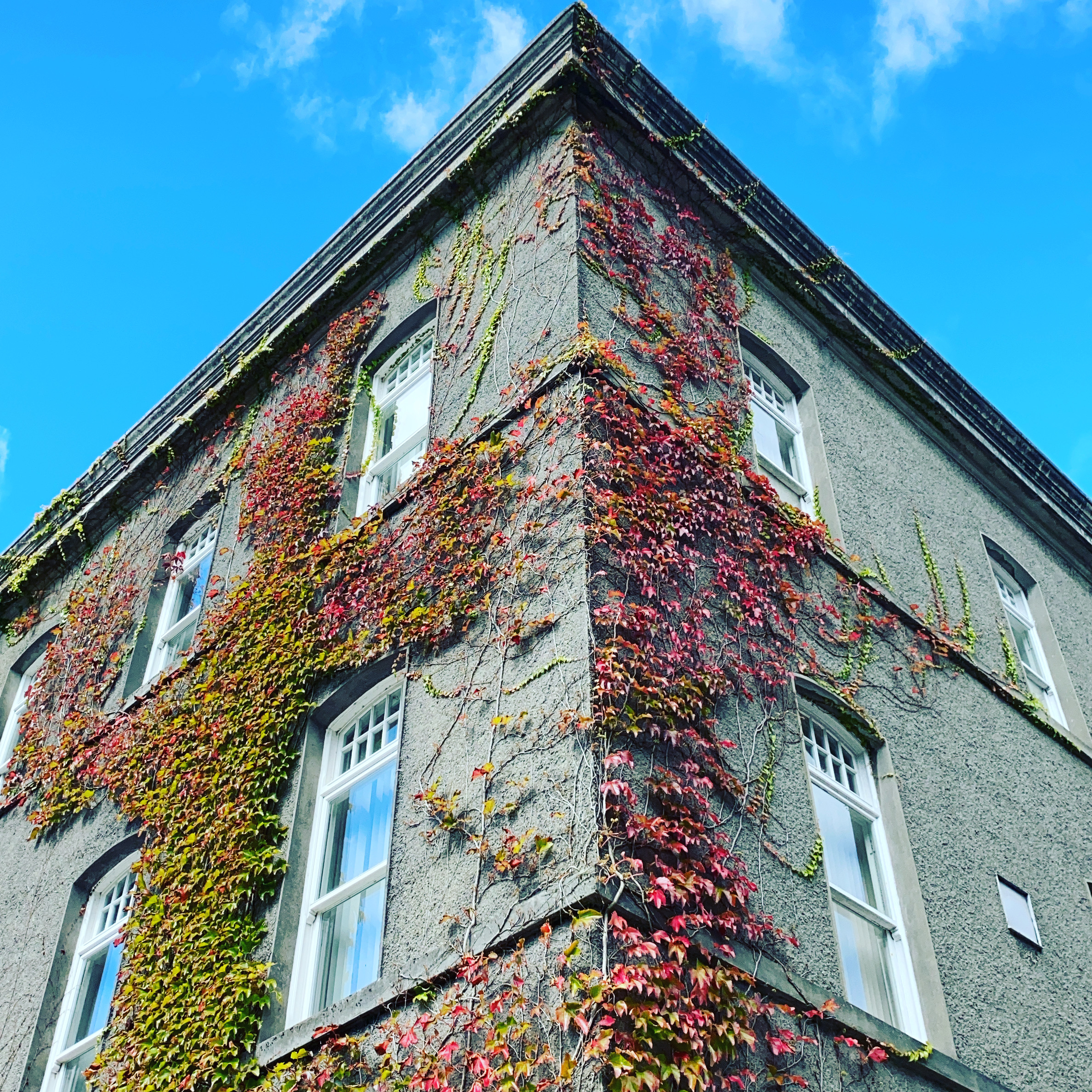
Ivy-covered University of Galway building
⌂

Where to buy household basics

Dunnes Stores is a good first stop for sturdier own-brand cookware, utensils and home basics. Mr Price works well for inexpensive things that only need to last a year or two—and it is the go-to stop for notebooks, printer paper, pens, binders and craft materials.

Read the full adviceClose the full advice
More local shopping advice
  • IKEA Galway: the new Plan and Order Point at Gateway Retail Park on Headford Road is not a full warehouse, so do not expect to take flat-pack furniture home from the shelves. It is useful for planning kitchens, bedrooms and living spaces; staff can place orders for home delivery. IKEA also offers online home delivery and a separate external Galway collection option when it appears during checkout. It is particularly useful for affordable furniture, cookware and kitchen basics.
  • Freecycle Galway: before buying furniture, kitchen equipment or household odds and ends, check what local people are giving away. Membership is free and everything listed must be free. Collection is normally your responsibility, so check dimensions and transport before agreeing.
  • Tesco: useful budget homeware, but check whether the shelf price requires a Clubcard. Set up your own account or ask about a physical card if the app is unavailable in your phone’s regional app store.
  • Rain gear: Trespass is worth checking for a proper waterproof jacket. Prioritise waterproofing and wind protection over an umbrella.
Better quality Temporary basics Order & collect
Next sectionPlugs and adapters →

Plugs and adapters: what works in Ireland?

Ireland and the UK use the same Type G plug: three rectangular pins. A UK plug fits here directly. If you are arriving with a mainland European, North American or Australian plug, bring an adapter with a Type G plug on the wall side.

Irish supply: 230 V · 50 HzUK plug = Irish plug

Ireland

Type G

Three rectangular pins.

Fits Irish sockets

UK

Type G

Exactly the same plug as Ireland.

No adapter needed

Mainland Europe

Type C

Two round pins; common on small chargers.

Type G adapter needed

Mainland Europe

Type F (Schuko)

Two round pins and side earth contacts. Type E also uses round pins, with a different earth connection.

E/F-to-G adapter needed

US & Canada

Types A / B

Two flat pins; Type B adds a round earth pin.

Adapter + voltage check

Australia & New Zealand

Type I

Two angled flat pins; earthed versions add a third pin.

Type G adapter needed
Simplified pin-end views of plugs, not socket holes; not to scale. Europe has several plug standards—there is no single “EU plug”. These are common examples, not a complete world list.
Which adapter should I bring?Close the adapter advice

Check the label on your charger

If the Input label says 100–240 V, 50/60 Hz, it covers Ireland’s supply: you normally only need the correct plug adapter. Many phone and laptop chargers do, but check yours. Read the input label, not the USB output rating.

An adapter does not convert voltage

A device marked only 110 V or 120 V must not be connected directly to Ireland’s 230 V supply, even with an adapter. This is especially relevant to US hairdryers, straighteners and kitchen appliances. A local 230 V appliance is often the practical option; ask the manufacturer before using a converter.

Buy the right direction

Look for “EU to UK/Ireland” or “US to UK/Ireland”, as appropriate. The wall-facing pins must be Type G; a “UK to EU” adapter goes the other way. For an earthed appliance, use an adapter that preserves the earth connection and is rated for the appliance.

For a semester or a year

A suitable Irish/UK USB charger can be simpler than keeping a travel adapter attached to your phone charger. Buy from a reputable retailer and check the power rating and charging compatibility. Never force a plug into a socket or connect adapters and extension leads in a chain.

Checked 14 October 2026. Always check the device’s input rating and the adapter manufacturer’s instructions.

Next sectionSecond-hand basics →

Furnishing a room cheaply—and borrowing before buying

Check the room inventory first. A furnished rental may already include the expensive things; a few second-hand basics can cover the rest.

Read the practical stepsClose the practical steps
  • Start locally: Galway Simon’s furniture and charity shop on Sean Mulvoy Road, its Sea Road shop, Vincent’s and COPE Galway’s charity shops are useful places to check. Stock changes; phone before travelling for a specific large item.
  • Look online: Adverts.ie, DoneDeal and local marketplace listings can help with desks, lamps and kitchenware. Confirm dimensions, condition and transport costs before agreeing to collect.
  • Inspect before paying: check drawers, joints, stains, musty smells and upholstered furniture for signs of pests. Ask permission before adding large furniture to a rental.
  • Electricals need extra care: inspect the cable and plug, ask to see the item working, and check recalls. A cheap damaged heater or overloaded extension lead is not a saving.
  • Borrow occasionally used items: ask housemates, a campus club, residence staff or someone you know before buying a drill, toolbox or printer. Confirm when and how it will be returned; use a tool only if you know how to do so safely.

Arrange a safe collection, bring help for lifting and never pay an unexpected “courier” or “insurance” fee. Charity shops do not accept every item: ask before dropping off donations.

Official links checked 13 October 2026. Confirm current requirements, availability and eligibility with the provider.

Next sectionLiving with housemates →

Living with housemates without constant friction

A friendly chat in the first week can prevent months of awkwardness. Write down what you agree; people arrive with very different ideas of “normal”.

Read the practical stepsClose the practical steps
  • Money: agree who pays each bill, when others reimburse them and how shared purchases are approved. Keep receipts and a simple shared record. Agree how costs are split if someone is away.
  • Cleaning: decide how often the kitchen, bathroom and bins need attention. “Clean up after yourself” works better when you agree what it means.
  • Food: label personal shelves, decide what is shared and ask before borrowing. Discuss allergies and avoid cross-contamination with shared utensils.
  • Guests and noise: agree overnight guests, advance notice, quiet hours and parties. Check the rental agreement, especially in digs or student residences.
  • Shared appliances: agree laundry timing, heating and hot-water use. Return shared spaces to a usable state.
  • Small problems: describe the behaviour and the practical change you need. Talk privately before starting a group-chat argument. Arrange a short household check-in if a pattern keeps returning.

Keep passwords, cards and identity documents private. If someone is threatening you, prioritise your safety and ask your college or appropriate services for help. For rental disputes, use the housing advice rather than assuming every roommate arrangement has the same legal protections.

Official links checked 13 October 2026. Confirm current requirements, availability and eligibility with the provider.

Next sectionUtility bills, heating and electricity →

Utility bills, heating and electricity

A separate household job: understand your energy bills, record meter readings and check whether switching supplier could save you money.

Read the utility bill adviceClose this advice

Expect a two-month bill

Most Irish gas and electricity customers are billed about every two months, although the supplier, meter and payment plan can change this. For a monthly budget, divide each two-month bill by two—and keep extra aside because winter use can be much higher.

Record every meter

Photograph meter readings on move-in and move-out, submit regular readings and check whether bills are actual or estimated. Estimates can become a painful catch-up bill. Never use an oven or hob to heat a room.

You can shop around and switch

One thing that surprised me after moving from the US is that Irish households can choose among competing gas and electricity suppliers using the same underlying networks. If the account is in your name—or you have the account holder’s permission—switching supplier is normally straightforward and should not interrupt the supply.

  • Check when the discount ends. When a fixed term finishes, you may move onto a more expensive standard rate. Compare again rather than letting the account drift.
  • Compare the complete annual cost. Look at unit rates, standing charges, discount duration, payment conditions and any welcome credit—not only the headline discount.
  • Out of contract? You can generally switch without an early-exit fee, and the difference between an expired plan and a new-customer offer can be substantial.
  • Still in contract? Find the exact termination fee in your contract or ask the supplier. A better plan can sometimes save more than the fee costs, but calculate the remaining-term saving before breaking the contract.
  • Renting? Confirm whose name is on the account before doing anything. If the landlord supplies or divides the bills, you may not have authority to switch.

Broadband can also be compared and switched, but check address availability, installation time, equipment returns and termination charges first. It is not always as seamless as changing an energy supplier.

Checked 10 October 2026. Energy offers and contract terms change frequently; verify the full cost and exit fee before switching.

Next sectionDoing laundry at home →

Doing laundry at home

Using the washing machine in your apartment or shared house: understand the controls, dry clothes properly and keep damp under control.

“One thing that surprised me coming from the United States: washing machines are often in the kitchen in Irish homes and apartments. I was used to a separate laundry room, so a washing machine beside the cooker took some getting used to.” — William

Read the home laundry adviceClose this advice
Kitchen washing machines and washer-dryers

A machine under the kitchen counter is a normal setup in many Irish rentals. Ask the landlord to show you the controls and confirm whether it only washes or also dries. A washing machine’s spin cycle does not dry clothes.

Combination washer-dryers can be a compromise. Their drying capacity is usually lower than their washing capacity—for example, a machine might wash 8 kg but dry only 5 kg. A full wash may need splitting into smaller drying loads. Long cycles and clothes that still feel damp can be frustrating, especially with towels and bedding; performance varies by model and load.

Check the manual, use the correct programme and leave space in the drum. Do not assume one packed load will wash and dry well in a single cycle. A self-service launderette can be useful for bulky bedding, a broken machine or getting everything properly dry.

Dry clothes, not the room

Use an extra spin cycle, space clothes on a rack and ventilate briefly but properly. Run the extractor fan and leave wall vents open. Do not continuously cover radiators with wet clothes.

Act on mould early

Wipe condensation, photograph recurring damp, and report leaks or mould to the landlord in writing. Keep the message and photos. Surface cleaning will not fix a leak, failed ventilation or another building problem.

Next sectionLaundromats and self-service laundry →

Laundromats and self-service laundry

No machine at home, bulky bedding or clothes that will not dry? Here are Galway’s self-service options and what to expect on your first visit.

Find a laundromat and read the first-visit tipsClose this advice
Self-service laundry around Galway

Look for launderette locally—the same idea as a US laundromat. Check whether a business offers self-service machines or only a staff-run wash-and-fold service.

Speed Queen · Kirwan’s Lane

A city-centre self-service launderette. Cashless: pay by contactless card, phone or the Speed Queen app. Check the operator’s page for current hours and instructions.

Wash.ME · Galway Shopping Centre

Outdoor self-service washers and dryers, formerly Revolution Laundry, near the staff car park entrance. Large machines are useful for bedding. Detergent is included; card/contactless payments are available.

Coin-operated or card-operated? Payment systems vary. The options above accept cashless payments, so do not arrive with only coins. Check the displayed wash and drying prices, detergent arrangements and opening hours before travelling. Locations checked 13 October 2026.

First laundromat visit: how it works and etiquette
  1. Bring a laundry bag and check the labels. Empty pockets, separate colours and choose a machine big enough for the load. Check the drum for anything left behind.
  2. Read before paying. Match the machine number at the kiosk, select a suitable cycle and check whether detergent is automatically supplied. Add your own only if the instructions allow it; extra detergent can cause too many suds.
  3. Set a timer and be back before it finishes. Stay nearby, especially for an unfamiliar machine. Finished laundry left sitting holds up everyone waiting.
  4. Wait your turn. Do not reserve machines with bags or spread your belongings across several seats. Never open or stop someone else’s running cycle.
  5. If someone has left a finished load, follow the posted policy. Ask staff where available. Avoid handling other people’s clothes; never put them on the floor.
  6. Dry in suitable batches. Check that items can be tumble-dried, leave room for clothes to move and use an appropriate heat setting. Washing and drying are often separate purchases.
  7. Leave it ready for the next person. Take every sock, remove your rubbish, wipe up spills and clean the dryer’s lint filter if the instructions ask you to. Fold on the folding table rather than blocking a machine.
  8. Check rules for pet bedding or heavily soiled items. Use designated machines if provided. Do not wash oily, solvent-soaked or otherwise prohibited items.

Keep valuables with you, respect other users’ space and avoid photographing people or their laundry. For a fault, note the machine number and contact the operator; do not force a locked door.

Next sectionBins and recycling →

Bins, recycling and getting your bottle deposits back

Before moving in, ask who pays for waste collection, where the bins are and which day they go out. In an apartment, check the communal-bin rules.

The can-and-bottle deposit: how to get it back

Example Re-turn machines in Kilkenny, 2024
Example Re-turn machines in Kilkenny, 2024 · A.-K. D., CC BY-SA 4.0. Display crop.
  1. Look for the Re-turn logo. Eligible plastic drinks bottles and metal cans from 150ml to 3 litres carry a deposit: 15c up to and including 500ml; 25c above 500ml. Glass and ordinary food tins are not part of this scheme.
  2. Keep them empty, undamaged and uncrushed. Leave the label and barcode readable. Feed them into a participating return machine, or use a participating manual-return point.
  3. Take the voucher. At a machine, finish the return and collect the printed voucher. Redeem it at that retailer’s till against shopping or for a cash refund; you do not have to buy anything.
  4. You can return qualifying containers bought elsewhere. They do not need to go back to the shop you bought the drink from. A machine voucher is redeemed at the retailer that issued it.

Re-turn is a deposit-refund scheme. Ordinary recycling, glass banks and donating reusable belongings are separate systems.

Official return points, eligibility and help ↗
Read the practical stepsClose the practical steps

Recycling

Put accepted paper, cardboard, tins and plastic packaging in clean, dry and loose. Do not bag recyclables. Check your collector’s rules rather than relying on the bin colour alone.

Food waste

Use the food-waste/brown-bin system for accepted food scraps. Check which liners the collector permits; ordinary plastic bags do not belong in food waste.

General waste

Use this for items that cannot go in the recycling or food-waste collection. Do not put batteries, electricals or other special waste into household bins.

Glass and bulky items

Use the council’s bring-bank guide for bottles and jars, and check the recycling centre’s accepted items. Never leave bags or glass beside a full bank.

Keep collection details and the household payment agreement in writing. Overfilled or contaminated bins can be refused or incur charges under the collector’s terms. Use authorised collection arrangements; public street bins are not for household rubbish.

Official links checked 13 October 2026. Confirm current requirements, availability and eligibility with the provider.

Next sectionHealthcare and prescriptions →
+

Doctors, costs and out-of-hours care

Do not assume healthcare works like it does at home—or that every visit is free. Save your insurance details, know where you would go after your GP closes and keep enough money available for an unexpected consultation or prescription.

Read the full adviceClose the full advice
Pharmacies, prescriptions, dentists and sexual health

Start with a pharmacist

A pharmacist can advise on minor symptoms, medicine use and whether you need a GP. Ask what services are available and what they cost. Bring the medicine name, dose and details of allergies or other medicines.

Prescriptions from abroad

Do not assume your home prescription can be filled here. Bring original packaging and prescription records, and ask an Irish pharmacist well before you run out. Qualifying EEA prescriptions may be accepted subject to legal conditions; controlled medicines and availability need particular care. You may need an Irish prescriber.

Dentists

Ask for the examination fee and an estimate before treatment. Check whether your insurance or any public scheme covers you; student status alone does not guarantee free dental care. Tell the clinic if you have pain or need an urgent appointment.

Sexual health

Public sexual-health clinics offer free, confidential STI testing and treatment. University Hospital Galway has a clinic; use the official directory for booking details. HSE home STI testing is available to residents aged 17 and over; check the current eligibility and instructions.

Cannot find a GP? Ask your campus health service and local practices about registration. HSE Live can help you navigate services on 1800 700 700 during its opening hours. Urgent care and emergencies use the separate routes in the help panel.

Start with the campus doctor

If you are a full-time registered University of Galway student, try the Student Health Unit first. Doctor and nurse consultations are usually free, although some procedures, tests and other services have charges. It is often the least expensive option. Appointments must be arranged in advance—there is no walk-in service. Students elsewhere should check whether their own campus offers a similar clinic.

Westdoc after hours

For urgent GP care when surgeries are closed, phone 0818 360 000. Westdoc is appointment-only: call first rather than arriving at the treatment centre. It operates overnight on weekdays and through weekends and bank holidays.

Insurance and EHIC

Non-EEA students must maintain qualifying private medical insurance. Keep the policy number and claims instructions on your phone. An EHIC covers necessary public treatment for eligible visitors, but not private healthcare.

Emergency means emergency

Call 112 or 999 if life is at risk or urgent medical attention is required. For other urgent problems, use the HSE care finder or Westdoc. Attending an emergency department without an exemption or GP referral may involve a charge.

Checked 2 October 2026. Charges, eligibility and operating arrangements can change; confirm with the service or insurer.

Next sectionScams beyond housing →

Scams beyond housing: jobs, parcels and fake bank calls

An urgent message can look convincing even in an existing text thread. Pause and verify through an independently found official contact.

Read the practical stepsClose the practical steps
  • Fake parcel or toll messages: do not follow payment links in unexpected texts. Open the operator’s genuine website or app yourself.
  • “Your bank account is in danger”: hang up and contact the bank through its app or the number on your card. Never move money to a supposed safe account, disclose one-time codes or approve an unexpected app request.
  • Fake jobs: verify the employer and role independently. Be wary of paying to unlock work, buying gift cards or equipment through a recruiter’s link, or being asked to forward parcels.
  • Easy money for using your account: never receive and forward money for someone else. Gardaí warn students about money-mule recruitment; it can involve criminal proceeds even when described as a job or favour.
  • Identity documents: send sensitive details only through a verified process when needed. Avoid sharing passport or PPS details in public groups.

If you have paid or shared details: contact your bank immediately, secure affected accounts and save messages, receipts and screenshots. Report suspected fraud to Gardaí. Be cautious of anyone charging to “recover” stolen funds.

Official links checked 13 October 2026. Confirm current requirements, availability and eligibility with the provider.

Next sectionGet help now →

Something’s gone wrong—where do I go?

Use the contact that matches the problem. Save the numbers you might need while your phone is working.

Immediate danger, serious injury or a life-threatening emergency: call 112 or 999. Give your location and Eircode if known.

Urgent medical problem

During opening hours, contact your GP or campus clinic. When the GP is closed, call Westdoc: 0818 360 000 for urgent GP assessment. It is appointment-only.

Crime, stolen bike or phone

For a non-emergency report, contact Mill Street Garda Station: 091 538 000. Keep the serial number, receipts or device details. Freeze stolen cards through your bank.

Locked out or landlord dispute

Call your landlord, residence reception or designated maintenance contact. Agree charges before using a locksmith. For a rental dispute, contact Threshold and keep the correspondence.

No safe place to stay

Contact your college accommodation/support office and COPE Galway’s homeless service for advice on assessment and referral routes. A bed is not guaranteed.

Lost passport or immigration card

Contact your country’s embassy or consulate for passport instructions. Report theft to Gardaí and contact Irish Immigration for a lost IRP. Do not assume a photo of the document is enough to travel.

No money for essentials

Tell student services or your students’ union what you need today—food, transport or somewhere safe to stay. Ask about available emergency or hardship assistance.

Overwhelmed or need to talk

Samaritans: 116 123, free, day or night. Contact campus counselling for ongoing support. Use 112/999 if there is immediate danger.

Sent money to a scammer

Contact your bank immediately through its verified app or number, save the evidence and report suspected fraud to Gardaí. See the scam checklist.

Official links checked 13 October 2026. Confirm current requirements, availability and eligibility with the provider.

03 · The guide

Student life

Places to study, cheap eats, Irish life and meeting people.

Jump to another section ↑
☕

Places to study without overstaying

Laptops are normal in several Galway cafés, but a café table is not an all-day desk. For a focused hour or two, buy something and be mindful of the queue and how busy the room is. For a long session, use a library or your college’s study spaces.

University of Galway quadrangle
Start with your campus library for a longer study session.
Read the full adviceClose the full advice

Caffè Nero, Eyre Square

Central, spacious and used to seeing laptops. Good when you are waiting for a bus or need a short city-centre session. Buy a drink, avoid spreading across a large table and do not assume one purchase covers several hours.

An Tobar Nua

A friendly canalside café where laptops are welcome. It is a pleasant daytime option for reading or lighter work, but stay aware of lunch traffic and free the table when the café needs it.

Galway City Library

Galway City Library in Hynes’ Building on Saint Augustine Street has dedicated study space and is the better free option for a longer session. Join the library—it is free—and check that day’s hours before travelling.

Your college library

University of Galway, ATU and other campus libraries are designed for sustained work and usually give enrolled students quiet areas, group spaces, Wi-Fi and power. Some buildings or periods require student ID.

Good café-study etiquette
  • Buy something, and buy again if you stay for another round of work.
  • Aim for roughly one to two hours when it is quiet; leave sooner if tables are filling.
  • Use the smallest table available and keep your bag, charger and coat out of other people’s space.
  • Check closing time before settling in—many Galway cafés close earlier than students expect.
  • Keep calls short and use headphones; a café is shared space, not a private office.
Next sectionCollege support →

College support: ask before a small problem becomes a crisis

You do not need to know which office has the answer. Start with student services or your students’ union and explain what is happening.

Read the practical stepsClose the practical steps

University of Galway

Student Support Officers can discuss personal, academic and financial problems. The university also provides counselling, disability support, international support and accommodation advice.

ATU Galway-Mayo

Use the ATU Student Hub, select your campus and ask student services for the appropriate counselling, access/disability, accommodation or financial-support contact. Some services require your student login.

Money is running out

Ask about hardship or financial-assistance options early. Explain your rent, food and transport costs and have supporting records ready. Eligibility and funding differ; an application does not guarantee an award.

Study is becoming difficult

Talk to your lecturer, programme office or support team before deadlines pass. Ask about learning support, reasonable accommodations or the relevant extension process. You may need documentation.

Your students’ union can help you navigate an unfamiliar process and raise concerns. Counselling and support appointments have their own availability and confidentiality arrangements—ask how the service works.

Official links checked 13 October 2026. Confirm current requirements, availability and eligibility with the provider.

Next sectionStudent discounts →

Student discounts in Galway: useful savings, not extra spending

Carry a valid student ID and ask before paying. A discount only helps if the final price beats the alternatives and you needed the purchase anyway.

Read the practical stepsClose the practical steps

Boots · 10% on eligible purchases

Boots Ireland offers a student discount through its Advantage Card. Activate it at a manned till using valid student ID and reactivate each academic year. Exclusions apply; read the current terms.

IMC Galway · student tickets

IMC offers student-rate cinema tickets with valid, in-date student ID. Compare the price for your screening with other available ticket offers; no fixed saving is promised here.

UNiDAYS and Student Beans

Use the Ireland versions, verify your student status and check whether each offer applies online, in-store or both. Discounts, brands and exclusions change regularly.

Transport and campus services

Check the guide’s Leap Card advice for the age-based or student option that suits you. Before paying for software, printing or sports elsewhere, see what your college already provides.

  • Ask cafés, shops and gyms whether there is a current student rate; verify it rather than assuming one.
  • Check ID requirements, exclusions, delivery charges and whether codes combine with a sale.
  • Student ID, Student Leap, UNiDAYS and Student Beans are different forms of verification; each business decides what it accepts.

Checked 13 October 2026. Offers, availability and programmes change; confirm with the provider.

Next sectionMeeting people →
◎

Meeting people through Meetup

Galway’s Meetup scene is smaller than Dublin’s, but there are usually a handful of welcoming groups and events around social activities, hiking, technology, languages, games and outdoor life. It can be a good way to meet people outside your course.

Read the full adviceClose the full advice
Free Meetup versus Meetup+

The free account is enough for most students. You can search for groups, join them, find events and RSVP without paying. If a Meetup+ pop-up appears, choose Continue with free plan.

Meetup+ probably is not worth paying for unless the attendee information matters to you. The paid version gives fuller access to attendee lists and profiles, which may help you get a rough sense of the gender, age or general social mix before attending. Treat that only as an impression: profiles are self-selected, may be incomplete and are not a reliable demographic count.

Other Meetup+ extras include unrestricted member messaging, earlier event announcements, priority on eligible waitlists, removal of Meetup service fees on paid-event RSVPs and an ad-free experience. None of these is required to attend normal events.

Meetup+ is also separate from any fee charged by an individual group or event. If you start a trial, note the renewal date and cancel before it ends if you do not want the subscription.

Making the first event less awkward
  • Choose an event with a clear activity—walking, a language exchange, board games or a talk—rather than relying on unstructured networking.
  • Check the recent event history and attendee comments so you know the group is active.
  • Tell someone where you are going, meet in a public place and arrange your journey home before the event starts.
  • If the first group is not your crowd, try another. Galway’s groups vary enormously in age, interests and atmosphere.
Next sectionIrish customs →
☂

Irish customs, decoded

“Grand” usually means fine. “I will, yeah” may not mean yes. A round in the pub is social, not compulsory. Friendly conversation goes a long way.

Next sectionIrish English →
“ ”

Irish English: what people actually mean

Irish people often turn greetings into questions. You are not expected to deliver a detailed health report in a doorway or at a till—a short, friendly answer is usually enough. Meanings and expressions vary by person and place, but these will get you through everyday Galway.

Read the full adviceClose the full advice

“How are you getting on?”

Meaning: How are things? How is life going?

Easy reply: “Grand, thanks. Yourself?”

“Are you okay?”

From café or shop staff, this often means “Are you being served?” or “Do you need anything?” It usually does not mean you look unwell.

“What’s the craic?”

Craic—pronounced “crack”—means fun, news, chat or the general atmosphere. “Any craic?” can simply mean “What’s happening?”

“Grand”

Usually fine, okay or acceptable—not necessarily magnificent. “That’ll be grand” means the plan is probably settled.

“Sound”

A sound person is decent or reliable. “Sound” on its own can mean good, agreed, or thanks: “You sent the notes? Sound.”

“Giving out”

Complaining or scolding—not distributing something. “The landlord was giving out” means the landlord was annoyed and saying so.

“Your man / your one”

An informal way to refer to a man or woman whose name is forgotten, unknown or obvious from context. It does not normally imply a relationship to you.

“I’m after…”

In Irish English, “I’m after losing my keys” means “I have just lost my keys,” not that you are chasing them.

Small customs that prevent awkward moments
  • Return the greeting. “Grand, thanks—yourself?” is enough. Long answers are welcome among friends, but not required at every counter.
  • Rounds are common in pubs. If you join a round, expect to buy one when your turn arrives. It is also fine to say at the start that you are buying your own.
  • Queue, even when the queue looks vague. Ask “Are you in the queue?” rather than stepping ahead.
  • Thank the bus driver. A quick “thanks” when getting off is common.
  • Tipping is modest, not American-style. Check whether service is included; rounding up or leaving roughly 10% for good table service is appreciated but not compulsory.
  • Weather talk is useful social glue. It is a safe opening, not evidence that nobody has anything better to discuss.
  • “No” may be softened. “I will, yeah,” “maybe,” or “we’ll see” can depend heavily on tone and context. Confirm dates and practical commitments directly.

One phrase to handle carefully: in Ireland, “a ride” can have a sexual meaning. Use “a lift” when asking someone to take you somewhere by car.

Next sectionFood and cheap eats →

A small, opinionated shelf

Books for getting to know Ireland

Six approachable picks for Irish language, history, travel, food and the highly specific challenge of addressing your pet in Irish. This is intentionally a short shelf—not an online bookshop.

As an Amazon Associate I earn from qualifying purchases.

History + languageA History of Ireland in 100 WordsArbuthnot · Ní Mhaonaigh · TonerCover of A History of Ireland in 100 Words

A surprisingly readable route into Irish history through the words people used.

Find on Amazon.ie ↗
Irish languageMotherfoclóirDarach Ó SéaghdhaCover of Motherfoclóir

Funny, modern dispatches from a language that is very much alive.

Find on Amazon.ie ↗
ExploreLonely Planet Ireland2026 editionCover of Lonely Planet Ireland, 2026 edition

Useful for turning weekends in Galway into trips around the island.

Find on Amazon.ie ↗
Just for funTeach Your Dog IrishAnne CakebreadCover of Teach Your Dog Irish

Illustrated everyday Irish with pronunciation help—and a patient practice partner.

Find on Amazon.ie ↗
Just for funTeach Your Cat IrishAnne CakebreadCover of Teach Your Cat Irish

The feline version, with more than 60 illustrated words and phrases.

Find on Amazon.ie ↗

Teach Your Dog Irish and Teach Your Cat Irish cover art © Y Lolfa / Anne Cakebread; Lonely Planet Ireland cover © Lonely Planet. Other cover images are supplied by Open Library. Availability and editions change. The links search Amazon.ie by ISBN so you can check the current seller, format, delivery date and final price before ordering.

Next sectionFood and cheap eats →

Back to page contents ↑

◇

Cheap eats—or at least cheap for Galway

Galway city-centre food adds up quickly. The best-value routine is usually a supermarket or campus lunch, cooking most evenings, and saving takeaways for when they genuinely solve a problem.

Read the full adviceClose the full advice

Five places I’ve eaten and recommend

Start with the dish and the price, rather than assuming everything on a menu is cheap. A slice or soup is a lighter bite; a burrito or whole pizza is a different kind of meal.

Lil’ Bros

Lighter bite · €4.75–€4.95
NY-style pizza by the slice: tomato €4.75 or cheese €4.95. An easy stop when you want a quick bite without buying a whole pizza.

See the slice menu ↗

An Tobar Nua

Lighter lunch · €5.95–€6.95
Classic grilled cheese €5.95, soup €6 or chicken roll €6.95. A daytime café option on Lower Dominick Street.

See the café menu ↗

Xi’an, Quay Street

Meal around €10
Hot oil noodles or a spice bag are listed at €9.50 each. The spice bag meal deal is €13.50, so check whether you want the extras.

See the collection menu ↗

Tuco’s

Meal · €10.95
A burrito, burrito bowl or three tacos are each listed at €10.95. Choose your filling and keep an eye on any extras.

See the Galway menu ↗

Pizza Point

Whole pizza · €12
A 12-inch Margherita is listed at €12. A useful whole-pizza option in Eyre Square Shopping Centre; toppings, dips and drinks add to the total.

See the pizza menu ↗

Example prices checked against the venues’ published menus on 19 October 2026. Prices can change; drinks, delivery and extras may cost more. Compare the direct collection price before ordering through a delivery app.

Lowest-cost routine

Use Aldi or Lidl for packed lunches; check Tesco meal deals and supermarket deli counters; bring your student card to campus cafés and canteens; carry a bottle and snacks so hunger does not become an expensive delivery order.

Quick and filling

Xi’an Street Food is a dependable counter-service option. Pizza & Pasta Napoli, beside Tigh Neachtain on Cross Street, is handy for pizza by the slice. McDonald’s can be cheaper than Supermac’s when price is the deciding factor.

Late after drinks

Nut Hot is the classic no-seats Chinese takeaway, with taxis across the street. Yummy Wok on Headford Road is another useful Chinese takeaway. Order directly or collect when practical.

Other student-friendly choices
  • An Tobar Nua: a warm canalside café for breakfast, soup, sandwiches, bagels and wraps. It is friendly and comfortable rather than a late-night option.
  • Chippers: McDonagh’s is the well-known city-centre institution; Giovanni’s and neighbourhood chippers can be useful for a filling collection order. Compare menus because fish and chips is not always the cheapest item.
  • The Dough Bros: excellent pizza just off Shop Street, but think of it as a good-value treat rather than the absolute cheapest dinner.
  • Too Good To Go: useful for discounted Surprise Bags from cafés, bakeries, restaurants and shops. Great value when you are flexible; useless when you need one specific meal.
  • Student specials: check the window, website and direct-order price. Some deals require valid student ID and may not appear on delivery apps.
How to avoid spending €20 on a “cheap” dinner
  • Compare collection with delivery. Service, delivery and small-order fees can cost more than the supposed discount.
  • Do not assume a combo is cheaper. Price the main item, tap water and only the side you actually want.
  • Reserve Too Good To Go bags early, but read the collection time before paying.
  • Keep one easy meal at home—pasta, frozen food, soup or noodles—for evenings when everything feels too far away.

Opening hours, menus and student offers change. Check before making a special trip.

Next sectionFree things to do and where to find events →

Free things to do and where to find events

You can have a good Galway day without buying a ticket. Start with these reliable options, then check current listings for something new.

Read the practical stepsClose the practical steps

Galway City Museum

Admission is free. Check current exhibitions and opening hours before visiting, especially around holidays.

Galway Arts Centre

Gallery admission is free. Check for installation closures and browse the programme for free Gallery Lates events; individual workshops or performances may have separate booking rules or charges.

Salthill Promenade and Blackrock

A seafront walk is an easy free outing. Bring a weather layer and choose conditions that suit a coastal walk. You can enjoy Blackrock without swimming or jumping in.

Library and campus activities

Look for library events, public talks and club or society activities. Check whether a listing is open to everyone, students only or members, and whether booking is required.

Looking for upcoming events? This guide does not maintain live event listings. Use the museum, arts-centre and campus calendars below for current events, and check the date, admission fee, booking requirement and location directly with the organiser.

A simple free route: the museum and Spanish Arch, a walk through the Claddagh, then Salthill Prom if the weather suits. For a shorter wet-weather plan, try the museum and a gallery.

Checked 13 October 2026. Offers, availability and programmes change; confirm with the provider.

Next sectionA Galway culture day →
◎

A cheap Galway culture day

You can build a full day around the city and Salthill for the price of coffee or lunch. Wear waterproof layers and shoes, because the route is exposed once you reach the Prom.

Read the full adviceClose the full advice
  1. Galway City Museum: start beside the Spanish Arch. Admission is free and no booking is normally required.
  2. Galway Arts Centre: walk through the West End to 47 Dominick Street. Entry to the galleries is free; Thursday Gallery Lates often run free evening events.
  3. Salthill Prom: continue west along the coast. The walk itself is free, flat and one of the best ways to understand the city.
  4. Blackrock: finish at the diving tower, watch the swimmers and kick the wall at the end of the Prom—the local tradition.

Museum and gallery programmes change. Check opening hours before setting out, especially on Sundays and bank holidays.

Next sectionGalway festivals →
✦

Galway’s festival calendar gets wonderfully chaotic

Galway does not hold one neat festival season. Film, theatre, literature, horse racing, oysters, street spectacle and free cultural events repeatedly take over the city. That is part of the fun—but it changes traffic, accommodation prices, restaurant availability and how long an ordinary journey takes.

Galway Arts Festival parade, archive photo from 2007
Galway Arts Festival parade, archive photo from 2007 · Peter Clarke, CC BY-SA 4.0. Display crop.

Festivals coming up

Last checked: 19 October 2026. Monthly review; check the organiser for changes.

Loading the latest festival dates…

Read the full adviceClose the full advice

Spring

Cúirt International Festival of Literature brings readings, talks and performances. Smaller music, food and community festivals appear around the bank-holiday weekends, often with free street events.

July becomes festival month

The Galway Film Fleadh, Galway International Arts Festival and Galway Races arrive almost back-to-back. The city feels brilliant and extremely busy. Book tickets early and expect packed buses, pubs and accommodation.

September

Culture Night opens venues for a citywide programme of free music, theatre, visual art, heritage and community events. The Galway International Oyster & Seafood Festival also brings competitions, food and street activity later in the month.

Halloween

The Macnas Halloween parade is not a small community float parade. Expect enormous puppets, performers, sound, smoke and packed streets. It is one of Galway’s great free public spectacles.

How to enjoy a big Galway event without ruining your evening
  • Check the official route, time and date. Festival details can move, and unofficial listings are sometimes wrong.
  • Walk or cycle when practical. Road closures, full buses and taxi demand can make a short city-centre journey surprisingly slow.
  • For Macnas, arrive early and choose your viewing spot before the crowds compress along the route. Dress for standing outside in wind and rain.
  • Book restaurants, performances and any overnight accommodation early during the Arts Festival and Galway Races.
  • Do not assume “festival” means every event is paid. Culture Night, galleries, outdoor installations, parades and many street events are free.
  • Save the official programme to your phone, but leave room for something strange you discover while walking through town.

Coming up: Macnas marks its 40th anniversary with the free Fiáin Halloween parade in Galway on Sunday, 25 October 2026. Confirm the route and start time with Macnas before travelling.

Next sectionCiara’s favourite places →
Ciara, William’s miniature schnauzer, at a Galway café

Around Galway with Ciara

Ciara’s favourite places in Galway

A few of our favourite stops for coffee, food, a pint or an evening out. A local shortlist from William and Ciara.

Coffee & pastries

Magpie Bakery

Sourdough, pastries and a coffee stop in the Cornstore.

Pub & craft beer

The Salt House

A cosy pub on Raven Terrace with a wide craft-beer selection.

Pub & music

The Ol’ 55

A pub and live-music venue on Prospect Hill.

A meal out

Ard Bia at Nimmos

A restaurant by the Spanish Arch for breakfast, lunch or dinner.

Coffee & chats

Plámás

An independent coffee shop in Galway’s Westend.

Burgers & wings

Scotty’s

American comfort food, burgers and wings.

Tea & café

The Secret Garden

A tea shop and café on William Street West.

Seafood

Hooked

Fish, seafood and a meal on Henry Street.

Burgers & chicken

Smashbird

Smash burgers, crispy chicken and bold sauces.

Burgers

Handsome Burger

A Galway burger favourite with a dedicated local menu.

Mexican food

Salsa Authentic Mexican Food

A city-centre stop for Mexican food.

French bakery & café

C’est la Vie

French breads, pastries and coffee in Terryland, near Headford Road.

Pub & atmosphere

Tigh Neachtain

A Galway pub at the corner of Cross Street and Quay Street.

Gastropub

John Keogh’s

A Westend spot for a meal and a drink.

Pub & restaurant

McSwiggans

A Woodquay favourite for a drink or a steak-and-seafood meal.

Pub & food

Murty Rabbitt’s

A pub and food stop on Forster Street, just off Eyre Square.

Music & comedy

Róisín Dubh

A Westend venue for gigs, comedy and an evening out.

Pub & beer garden

O’Connell’s

An Eyre Square pub with a beer garden.

Pub & traditional music

The Crane Bar

The Crane Bar exterior, archive photo from 2011

Archive photo (2011): Lisa Harbin, CC BY-SA 2.0. Display crop.

A Sea Road pub known for Irish traditional music.

Some are everyday stops; others are a treat. Check current menus and opening times before going. Bringing your own dog? Ask the venue about its current policy.

Next sectionLeaving Galway →

Leaving Galway: deposits, bills and the loose ends

Start planning several weeks before you leave. Your flight date does not automatically end a rental agreement, job or subscription.

Read the practical stepsClose the practical steps
  1. Check your rental exit requirements. Ask Threshold if unsure about notice, a fixed term or leaving early. Get agreements in writing; do not assume the deposit pays the last month’s rent.
  2. Document the handover. Clean the room, photograph its condition, compare the inventory, return keys and record the agreed departure. Ask for the deposit return and an explanation of any proposed deductions.
  3. Close or transfer accounts. Take final meter photos, contact suppliers, return broadband equipment and agree house-share bill balances. Keep final statements and proof of payments.
  4. Cancel the things that renew. Check phone, gym, streaming and other subscriptions, including notice periods. Cancelling a direct debit alone may not end the contract.
  5. Sell, donate or dispose of belongings early. Agree collections, confirm what charity shops accept and use proper waste facilities for the remainder.
  6. Finish employment and review tax. Confirm payroll records your leaving date. A refund may be due if you worked for only part of the year; follow Revenue’s departure guidance and keep myAccount access.
  7. Keep important access working. Update contact details and retain a way to receive verification codes. Keep banking available until refunds and final bills are settled. If returning to Ireland, check your immigration permission and re-entry requirements before travelling.

Official links checked 13 October 2026. Confirm current requirements, availability and eligibility with the provider.

Explore the mapPlaces around Galway →

A different way to price a degree

Four years could mean two degrees—not just one.

Some Irish undergraduate degrees are shorter than students from the US may expect, and many taught master’s programmes take one year. That can make Galway worth comparing on total time and total cost, not just one year’s tuition.

Years 1–3 Bachelor of Commerce

University of Galway lists its BComm as a three-year Level 8 degree, with a four-year option.

Check the BComm course ↗
Year 4 One-year taught master’s

International Management is one example of a full-time, one-year Level 9 MSc.

Check the MSc course ↗
Possible outcome 2 degrees
in 4 years

Not an automatic “3+1” package: you finish the bachelor’s, apply separately and must meet the master’s entry requirements.

Illustration at posted 2027/28 rates

€84,200

3 × €20,650 BComm non-EU annual fee
+ €22,250 International Management MSc non-EU fee

This is simple arithmetic using one year’s posted rates—not a four-year quote. Fees can rise each year and this excludes rent, food, insurance, travel, books and other living costs.

Compare the whole decision

Do not trust a savings percentage on its own.

  • Compare the same subject and qualification level.
  • Multiply tuition by the actual number of years.
  • Add realistic Galway rent and winter bills.
  • Include health insurance, flights and visa or registration costs.
  • Check scholarships, financial-aid rules and annual fee increases.

A shorter route can save substantial time and money, but your own offer letters and housing budget are the only honest comparison.

After a qualifying Level 9 award

Up to 24 months to pursue graduate work

Eligible non-EEA graduates may receive 12 months under Ireland’s Third Level Graduate Programme and may renew for another 12 months if they meet the conditions. It is permission to seek graduate-level work—not a guaranteed job or permanent residence.

Read the official immigration rules ↗

Facts and fees checked 10 October 2026. This is a worked example, not admissions, immigration or financial advice. Course length, eligibility and fees differ by programme and can change.

The place behind the practical advice

Galway, Gaeilge and a cheap flight away.

Galway is a compact Atlantic city with two universities, a year-round arts scene and Connemara at its doorstep. It feels distinctly Irish without making an international student learn a new language just to buy groceries, open a bank account or get through class.

English gets you through daily life

English is the main everyday language across most of Ireland, so English-speaking students can study and settle in without a language barrier. Legally, Irish is the national and first official language; English is the second official language.

Read Article 8 of the Constitution ↗

Irish is alive here

You will see Gaillimh for Galway and bilingual signs throughout the city. West of Galway, Irish is still a community language in the Connemara Gaeltacht and on the Aran Islands. You are not expected to be fluent, but interest and respect go a long way.

Dia dhuit — hello · Go raibh maith agat — thank you · Sláinte — cheers / good health

Explore the Galway Gaeltacht ↗
Ciara sitting in Galway’s yellow sculpture
Dia dhuit!Hello!

Try a little Irish on your phone

Duolingo app icon
Duolingo

Short lessons for building an Irish-learning habit. Select Irish when setting up your course.

Download on the App StoreGet it on Google Play
Duolingo: official site / Irish course ↗
HeyRua app icon
HeyRua

Speaking and pronunciation practice, with options including Connemara Irish. Check trial and subscription terms before joining.

Download on the App StoreGet it on Google Play
HeyRua: official site / Irish course ↗

Europe becomes weekend-close

William at the airport beside a Ryanair plane

Low-cost one-way base fares from Ireland sometimes fall below €20. That makes Galway an excellent launch point, via Shannon, Dublin or Knock—but the headline fare may exclude a cabin bag, seat choice and the trip to the airport.

The scale is real: Irish residents took 15.1 million outbound overnight trips in 2025, according to the CSO. That is a count of trips, not 15.1 million different people.

Try Shannon, Knock and Dublin. Compare the full cost of baggage and getting to the airport; routes and fares vary by season.

EU does not mean border-free. Ireland is not in the Schengen Area. Check your passport, destination visa rules and permission to re-enter Ireland before booking—especially if you are a non-EU student.

Facts checked October 2026. Airfares are examples, not promises: compare the total after baggage, seat and airport-transfer costs.

04 · Explore the city

Find your way around Galway

Find shops, transport, study spaces, useful services and live music on the interactive map.

Open the Galway map →

Things I learned after moving here

The advice students actually remember

01

Damp is different from rain

Galway is humid. Clothes can take ages to dry indoors, and poor ventilation can quickly become mould. Give laundry space to dry, use the extractor fan and air rooms briefly but properly. Waterproof shoes matter almost as much as a jacket.

02

An Irish number makes life easier

Job applications, deliveries and local services often expect a +353 number. An unlocked dual-SIM phone lets you keep your home number while adding an Irish SIM or eSIM.

03

Galway is walkable—until the weather turns

A journey that looks easy on a map feels different in sideways rain. Umbrellas struggle in Galway wind. Wear several light layers under a proper waterproof shell instead of relying on one heavy coat, and choose shoes that can repeatedly get wet.

04

WhatsApp is everyday infrastructure

Housemates, classmates, clubs and local businesses commonly use it. Set it up before arrival and keep your old number active until your accounts are settled.

About this guide

The notes I wish someone had given me.

I’m William, an American who moved to Ireland and now lives in Galway. I built this guide around the practical things I wish someone had explained before I arrived—from finding housing and learning public transport to shopping, healthcare and surviving Galway weather. These are independent recommendations based on my own experience, with occasional help from Ciara, my miniature schnauzer and local food scout. Details change, so check official sources for current prices, schedules and regulations.

Was this guide useful?

You can support future updates with a coffee. Completely optional.

Buy me a coffee

Reading options

Choose what feels comfortable for you. Your settings stay on this device.